Wine Packs
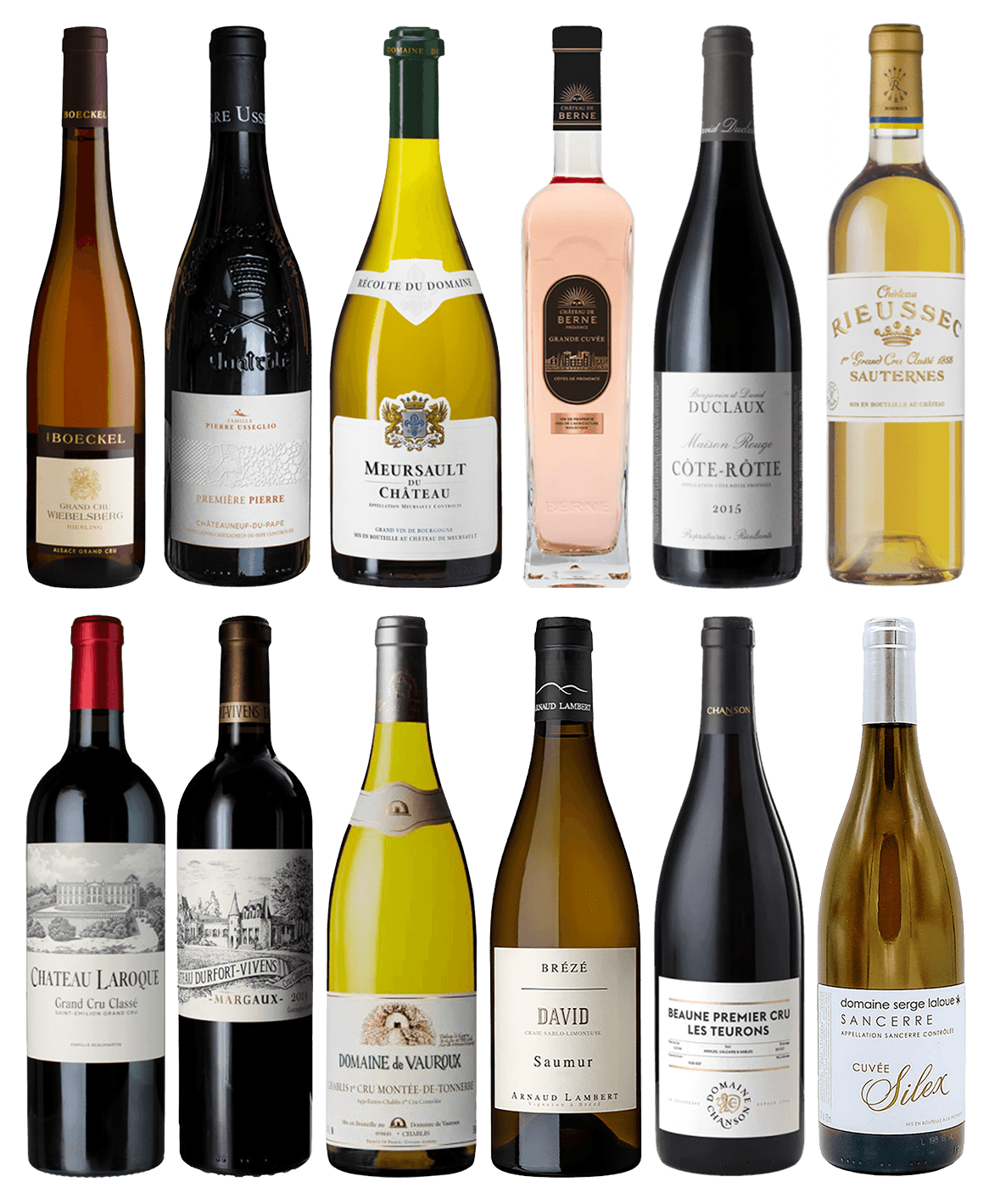
WSET France 12 Bottles Pack
WSET France 12 Bottles Pack
Couldn't load pickup availability
1. Burgundy – Chablis – Chardonnay
Chablis 1er Cru Montée de Tonnerre 2022 – Domaine de Vauroux
Chosen to represent classic cool-climate Chardonnay and the importance of terroir in Burgundy. High acidity, citrus fruit and pronounced minerality make it ideal for studying limestone influence, restrained oak use and Premier Cru classification in WSET tastings.
2. Burgundy – Côte de Beaune – Chardonnay
Meursault du Château 2023 – Château de Meursault
Selected to contrast directly with Chablis and demonstrate a richer Burgundy Chardonnay style. Shows greater body, oak influence and creamy texture, making it essential for understanding Côte de Beaune winemaking and barrel maturation.
3. Burgundy – Côte de Beaune – Pinot Noir
Beaune 1er Cru Les Teurons 2018 – Domaine Chanson
Chosen as a benchmark for elegant Burgundy Pinot Noir. Demonstrates moderate colour, high acidity and refined tannins, helping students understand Premier Cru quality, subtle oak integration and cool-climate red wine structure.
4. Bordeaux – Saint-Émilion – Merlot
Château Laroque 2022
Selected to illustrate Right Bank Bordeaux and Merlot dominance. Softer tannins, ripe black fruit and plush texture contrast clearly with Left Bank Cabernet styles, making it excellent for comparative WSET study.
5. Bordeaux – Margaux – Cabernet Sauvignon
Château Durfort-Vivens 2020 – 2ème Cru Classé
Chosen to represent classic Left Bank Bordeaux structure and classification. Firm tannins, blackcurrant fruit and oak ageing demonstrate Cabernet Sauvignon typicity and help students understand the Médoc Cru Classé hierarchy.
6. Bordeaux – Sauternes – Sémillon
Château Rieussec 2017 – 1er Grand Cru Classé
Included to study noble rot and premium sweet wine production. High sweetness balanced by acidity makes it essential for understanding botrytis, concentration and the ageing potential of world-class dessert wines.
7. Loire Valley – Saumur – Chenin Blanc
Arnaud Lambert David 2021
Chosen to showcase Chenin Blanc’s versatility and Loire Valley freshness. High acidity, minerality and structure make it an excellent example for studying cool-climate dry whites and age-worthy Loire wines.
8. Loire Valley – Sancerre – Sauvignon Blanc
Domaine Serge Laloue Sancerre Blanc Cuvée Silex 2023
Selected as a benchmark cool-climate Sauvignon Blanc. Citrus, herbal notes and mineral tension make it ideal for studying varietal typicity, silex soils and the relationship between climate and aromatic intensity.
9. Alsace – Riesling
Riesling Grand Cru Wiebelsberg 2020 – Domaine Boeckel
Chosen to represent dry continental-climate Riesling. High acidity, concentrated citrus fruit and mineral character help students understand Alsace Grand Cru wines and compare Riesling styles outside Germany.
10. Rhône – Châteauneuf-du-Pape – GSM Blend
Première Pierre 2022 – Pierre Usseglio & Fils
Included to demonstrate warm Mediterranean-climate reds and Grenache-dominant blends. Full body, ripe fruit and high alcohol make it excellent for studying Southern Rhône structure and climate impact on ripeness.
11. Rhône – Côte Rôtie – Syrah
Côte Rôtie Maison Rouge 2022 – Benjamin et David Duclaux
Chosen as a classic Northern Rhône Syrah. Pepper, violet and smoked meat notes with fresher acidity provide an important contrast to Southern Rhône wines and illustrate cooler-climate Syrah expression.
12. Provence – Rosé
La Grande Cuvée Rosé 2024 – Château de Berne
Selected to represent premium dry rosé production. Pale colour, delicate fruit and crisp acidity make it ideal for studying direct pressing, Mediterranean climate influence and modern Provence rosé style in WSET context.
Wine Characteristics
- Country
- Portugal
- Region
- Portugal
Share